
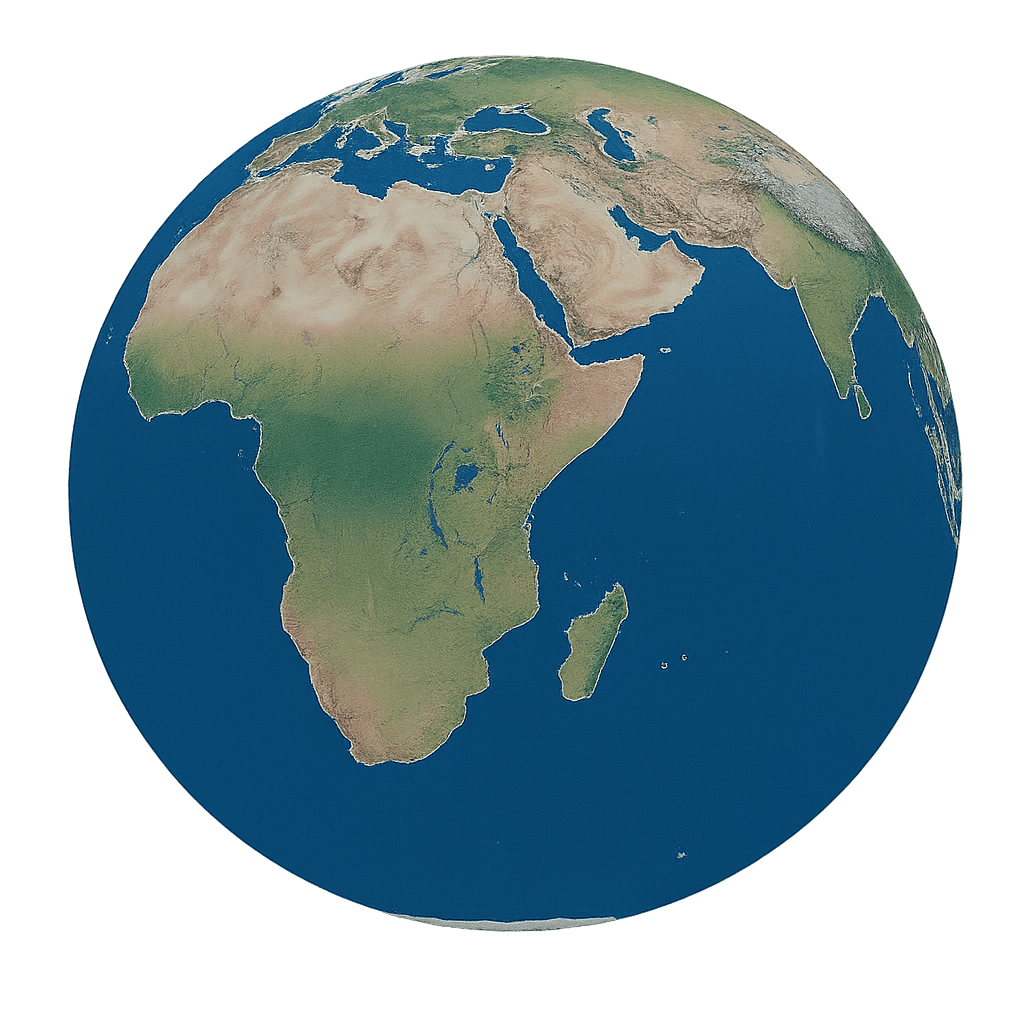
Armed Factions vs. Disarmament: Iraq’s Iran-aligned Kataib Sayyid Al-Shuhada rejected handing over weapons, saying “resistance’s weapons” will stay as long as threats to sovereignty continue, while Asaib Ahl al-Haq backed limiting weapons to state control—both positions follow Muqtada al-Sadr’s move to place Saraya Al-Salam under state authority. Counter-Terror Ops: Iraqi forces carried out Kirkuk operations targeting ISIS hideouts and logistics sites, with the Defense Ministry saying several “terrorists” were killed and shelters destroyed. Eid al-Adha in Kurdistan: Thousands of visitors poured into Erbil and Sulaymaniyah for Eid, filling parks and resorts as authorities deployed security and medical teams and reported tens of thousands entering the region. Baghdad’s Eid Mood: In Najaf, Wadi al-Salam cemetery drew mourners at dawn for Eid prayers and rituals tied to the dead, underscoring how the holiday blends celebration with grief. Regional Pressure from the Iran War: Kuwait reported missile and drone threats amid a shaky ceasefire, as the wider US-Iran confrontation continues to ripple through the Gulf and the Strait of Hormuz.
AGP Executive Report
Your go-to archive of top headlines, summarized for quick and easy reading.
Note: These AI-generated summaries are based on news headlines, with neutral sources weighted more heavily to reduce bias.
Eid al-Adha in Iraq: Shia pilgrims marked Eid al-Adha with large crowds and heavy security at the holy shrines in Karbala, Kadhimiya, and Najaf, following Arafah prayers, with shrine administrations running major service plans for visitors. Kurdistan politics after Eid: Kurdistan Region President Masoud Barzani and PM Masrour Barzani sent Eid messages calling for tolerance, peace, and an end to political deadlock, while KDP leaders urged renewed efforts to break the Kurdistan deadlock after the holiday. Sadr’s state integration move: Muqtada al-Sadr announced the “complete separation” of Saraya al-Salam from his movement and its “complete integration” into Iraqi state forces, prompting Iraqi leaders to welcome the step toward restricting weapons to official institutions. Baghdad security and governance: Reports also highlight ongoing political and security pressure around state control, including backlash over Rafidain Bank reassignments and calls for tighter enforcement of law and institutions. Regional tensions: Iran-US talks and renewed strikes remain in focus, with the White House denying a reported draft MoU and regional shipping fears tied to Hormuz.
UN Security Council Condemns Barakah Drone Attack: The UN has condemned the drone strike on the UAE’s Barakah nuclear plant as a violation of international law, but stopped short of naming who carried it out. Regional Airspace & Travel Hit: Major airlines are suspending or cutting flights to Middle East hubs, including Baghdad and Erbil, as security fears rise around US-Israel-Iran tensions. Iraq’s Oil Pressure Mounts: Iraq’s crude output has reportedly collapsed to about 1.39 million barrels per day after Strait of Hormuz disruptions, pushing Baghdad to race for new export routes via Turkey and expand northward pipeline options. Iraq Security Debate: Baghdad is weighing a plan to create a security ministry to bring the PMF and other forces under one structure amid US pressure. ISIS Repatriations: Australia has received a second group of women and children linked to ISIL from Syria, saying prosecutions will follow if crimes are found.
Iran-US Escalation: Iran says the U.S. broke the Hormuz ceasefire with overnight strikes, vowing retaliation, as U.S. forces hit missile sites and boats near the Strait of Hormuz and Iran claims it shot down a U.S. Reaper drone. Abraham Accords Pressure: Trump is pushing a “mandatory” expansion of the Abraham Accords, urging Saudi, Qatar, Pakistan, Türkiye, Egypt and Jordan to sign at once as part of any Iran deal—sparking brief silence and renewed conditions, especially around an “irreversible” Palestinian state. Maritime Tensions: A tanker reported an external explosion off Oman; UKMTO says the crew is safe, while the wider Hormuz disruption keeps oil and shipping risks front and center. Iraq Food Security: Iraq expects up to 5 million tons of wheat for 2025–26, aiming to avoid imports and sustain self-sufficiency despite strained state finances. Iraq Courts & Rights: Iran continues death sentences in irregular proceedings, including executions tied to alleged Israel-linked spying.

Iraq Oversight Shake-Up: Prime Minister Ali al-Zaidi slammed the Federal Board of Supreme Audit, saying reviews are delayed, some documents were destroyed after five years, and state firms escaped scrutiny—then ordered tighter contract oversight and even help from international auditing firms. Counter-Drug Push: A joint Baghdad-Diyala operation with anti-narcotics units in Sulaymaniyah and Erbil seized 11.5 kg of marijuana and moved the case through Iraqi legal procedures. Kurdistan Diplomacy: Nechirvan Barzani met Italy’s ambassador in Erbil, urging stronger ties and stability support. Heritage, Modernized: Baghdad reopened its historic postal headquarters in al-Qishla, promising modernization while keeping the building’s legacy. Water Crisis in Najaf: Farmers in al-Mishkhab warned water hyacinth is choking the al-Dubainiya River and threatening irrigation and livelihoods. Culture Kept Alive in Kirkuk: A projector collector and an “ancestors’ café” are preserving fading cinema and older-generation social life. Regional Security: Interpol said Libya joined a “Ramses” cyber-fraud crackdown across 13 Arab countries, netting thousands of victims and hundreds of suspects. Energy Watch: Oil slipped below $100 as markets bet on progress toward a US-Iran deal, while Hormuz reopening remains uncertain.
US-Iran Talks: Trump says a US-Iran war-ending deal is “largely negotiated,” but Iran’s foreign ministry warns no agreement is imminent as Doha talks continue via Pakistan mediation and the Strait of Hormuz blockade stays until signing. Shipping & Oil: With Hormuz transit still fragile, an Iraqi crude supertanker has left for China and LNG is heading to Pakistan, while markets cheer falling oil prices and risk-on trading. Iran Executions: Rights groups report Iran hanged another protest-related prisoner, adding to a wider wave of executions since March. Iraq Politics & Security: Inside Iraq’s Shiite Coordination Framework, disputes are flaring over a US proposal to disarm armed factions and reshape the PMF; meanwhile a PMF fighter died in a Tikrit base blast. Iraq Economy: The dollar is slightly lower in Baghdad and higher in Erbil. Sports: Spain named its World Cup squad with Lamine Yamal, but for the first time no Real Madrid players made the cut.
Hormuz Peace Hopes, Oil Slide: Oil prices dropped to two-week lows as markets bet the US and Iran are nearing a framework deal that could reopen the Strait of Hormuz, even as Trump urged “don’t rush” and Iran flagged unresolved demands over unfrozen assets. Shipping Signals: Despite the standoff, a supertanker carrying Iraqi crude for China has cleared the Persian Gulf route, while an LNG tanker is exiting toward Pakistan—small moves that traders are watching closely. Iraq Media Clampdown: Iraq’s Communications and Media Commission banned political analyst Bashir al-Hujaimi from appearing on media for 30 days over “false and misleading” material. Kurdistan Cost Pressure: Erbil car prices jumped as import shipping costs rose and discounts were cut. Kurdistan Daily Life Oddity: Traders in Kurdistan Region still price livestock using the old “Swiss dinar” as a reference unit. Security Update: A Tikrit base blast injured three PMF members, and a Duhok camp reports stray dogs breaking in and frightening displaced families. Memorial Day Coverage: Across the week, ceremonies and tributes dominated headlines, including veteran-focused events and remembrance programs.
Iraq Security: Iraq’s Counter-Terrorism Service mourned three soldiers killed and four wounded in a bomb blast during a sweep in Nineveh’s Al Hadar Desert, with officials saying the device was left by ISIS remnants. Fire Safety Crackdown: Iraq’s Civil Defense Directorate says it has referred 1,885 establishments to court and closed 11,070 buildings over fire-safety violations, with Baghdad’s Rusafa district among the worst-hit. Kurdistan Under Strain: A Baghdad-Erbil security delegation is set to visit Tehran to investigate drone and missile attacks on the Kurdistan Region, as Kurdish opposition groups accuse Iran of continuing strikes. Diplomacy Watch: Across the region, the US-Iran track remains in flux—Trump says the deal is “largely negotiated” but warns the US won’t “rush,” while Iran insists the Strait of Hormuz stays under its management. Economy & Markets: The Iraqi dinar held mixed ground in trading, while gold prices stayed steady in Baghdad and dipped slightly in Erbil. Sports: Aspetar Orthopaedic and Sports Medicine Hospital signed on as the official medical partner for Iraq’s national team ahead of the 2026 World Cup in the US, Canada, and Mexico.
Iran Deal Showdown: US President Trump says an Iran peace framework is “largely negotiated” and would reopen the Strait of Hormuz, but Tehran immediately pushed back, insisting control stays with Iran and warning the draft is incomplete. Regional Fallout: US Sen. Lindsey Graham warned any deal that lets Iran “survive and become more powerful” could supercharge Hezbollah in Lebanon and Shi’ite militias in Iraq, raising Strait-of-Hormuz risks. World Bank Pressure: As the Iran war disrupts trade, Reuters reports 27 countries are seeking emergency World Bank financing; Iraq and Kenya have confirmed they’re in the queue. Iraq Security & Daily Life: In Kirkuk, Iraqi forces killed at least four ISIS militants in air and ground operations. In Dhi Qar, anti-narcotics police arrested suspects and seized crystal meth. Local Governance: Iraq’s housing ministry says 14 residential complexes and 16 new cities are in motion, while irrigation and water-management plans target the 2026 summer season amid drought. Kurdistan Politics: Barzani met KIU leader Salahaddin Bahaaddin to push a path to reactivate parliament and break the KRG deadlock.
World Cup Countdown: With June 1 squad deadlines looming, 48 nations keep unveiling players—South Korea named its squad May 16, while Mexico released a preliminary list May 12. Iran-US Tensions: Iran’s chief negotiator Mohammad Bagher Ghalibaf warned the US of a “crushing” response if Trump resumes attacks, after meeting Pakistan’s army chief Asim Munir in Tehran amid ceasefire uncertainty. Iraq-Kurdistan Talks: Kurdistan PM Masrour Barzani is in Baghdad for high-level meetings with PM Ali al-Zaidi, parliament speaker Haibat al-Halbousi, and judicial leaders to settle long-running disputes, especially salaries and budget issues—both sides say they’ll pursue constitutional solutions. Security & Justice: Iraqi Air Force F-16s struck an ISIS position in Kirkuk’s Zghaitoun Valley; in al-Anbar, mass graves tied to Baath-era abuses against Faili Kurds and southern Iraqis were reported. Economy & Daily Life: Iraq moves on plastic curbs—imports near $3B yearly as a ban/tax plan advances—while parliament is flagged for draft laws that could expand bureaucracy and spending. Sports Leadership: Iraq elected former captain Younis Mahmoud as FA president ahead of the World Cup return.
Memorial Day & flags: Michigan Governor Gretchen Whitmer ordered U.S. and state flags lowered to half-staff on May 25, from sunrise to noon, to honor those who died in the line of duty. Iran talks under pressure: As diplomacy with Iran stays “in limbo,” U.S. officials say Trump is weighing “all options,” including fresh military action if negotiations fail, while Rubio cites “slight progress” and rejects any Strait of Hormuz “tolling” plan. Hormuz oil shock: The IEA warns the Strait’s closure could push global markets into a “red zone” by July-August, with recovery likely taking months. Power shift in Tehran: Reporting says hard-line IRGC commanders are increasingly steering Iran’s decisions, with Brig. Gen. Ahmad Vahidi highlighted as a key negotiator figure. Iraq response: Iraq says it’s investigating attacks on the UAE and Saudi Arabia launched from Iraqi territory, promising security and legal action. Local Iraq legacy stories: Kirkuk’s Qorya district is spotlighted as a historic market hub facing aging infrastructure, while Iraq War remembrance continues across communities.
Health Watch: Nineveh recorded a new Crimean-Congo Hemorrhagic Fever case, the second confirmed infection in days, after a suspected patient was tested in Baghdad and transferred for treatment. Security & Sovereignty: A Najaf cleric warned that reports of a regional Arab coalition planning airstrikes on Iraqi armed factions could “bear the consequences,” as Iraq continues to deny it is a launchpad for attacks. Environment Policy: Iraq’s new government approved sweeping plastic restrictions—ending free bag distribution, banning use in bakeries, and pausing imports—while adding fees on producers to fund recycling and awareness. Border & Disease Control: Iraq suspended live animal imports from Syria and tightened veterinary checks after foot-and-mouth disease reports in Raqqa. Regional Energy Push: Türkiye is promoting new oil, gas, and electricity corridors to reduce reliance on chokepoints like Hormuz, including proposals to extend the Iraq–Türkiye pipeline to Basra. US-Iran Diplomacy: US Secretary of State Marco Rubio said talks show “slight progress,” but a deal still isn’t in reach and war risk remains.
US Veterans Push: House Democrats are scrambling to force a vote on the Major Richard Star Act, using a discharge petition drive led by Rep. Mark Takano. The petition has 157 signatures so far—61 short of the 218 needed to bring the bill to the floor—aimed at ending the “wounded veteran tax” that offsets retirement pay when disability benefits begin. Iran-US Tensions: Diplomacy is still in motion: US Secretary of State Marco Rubio says talks with Tehran could advance via visits mediated through Pakistan, but warns Trump has “other options” if no deal lands. Hormuz & Oil: Oil prices rose Friday as traders weighed stalled negotiations and persistent Strait of Hormuz risks, with Brent and WTI up on the day. Iraq Security Claims: Iraq’s government says Israel cannot establish a foothold inside Iraq, dismissing reports of secret bases as false while insisting investigations and radar/air-defense upgrades are underway. Regional Spotlight: Senegal named Sadio Mané in its 2026 World Cup squad, with Iraq listed in Senegal’s group-stage draw.
Gulf Tensions, Iraq Accountability: Iraq’s top security official says using Iraqi territory to launch attacks on other countries violates the constitution, after Saudi and UAE-linked drone strikes sparked fresh accusations and Baghdad set up a special committee to coordinate investigations. Regional Security Pressure: The UAE again condemned “unprovoked” drone attacks launched from Iraq, including the Barakah Nuclear Power Plant incident near an electricity generator, and demanded Baghdad halt such acts “immediately.” Kurdistan Under Fire: Rudaw reports Kurdistan has faced 855 drone and missile attacks since the Iran war began, with at least 20 deaths and 128 injuries. Human Rights, Iran Executions: Iran executed four people, including two Iraqis, according to pro-state media and a rights group alleging “secret” executions on espionage charges. Politics After Eid: Iraq’s ruling Coordination Framework says it will push to finalize the new cabinet after Eid al-Adha, while rejecting attacks on Gulf states. US-Iran War Powers: In Washington, the House is set to vote on legislation to force Trump to withdraw from the Iran war, testing whether lawmakers will curb the conflict.
UAE-Iraq Tensions: The UAE has demanded Iraq halt “all hostile acts” from its soil “urgently and without condition” after drone attacks targeting Abu Dhabi’s Barakah nuclear plant, while Baghdad’s National Security Council—chaired by Prime Minister Ali al-Zaidi—ordered investigations into claims that attacks were launched from Iraqi territory and set up a special committee to coordinate with Saudi Arabia and the UAE, warning of legal action if responsibility is proven. Regional War Talk: As diplomacy grinds on, Iran’s IRGC warned any renewed U.S. strikes could trigger a wider war “beyond the region,” while Trump said talks with Tehran are in “final stages,” keeping markets and nerves on edge. Iraq Domestic Pressure: Iraq’s judiciary reported thousands of domestic violence and divorce cases in early 2026, and in Kurdistan a construction hoist collapse in Duhok killed four workers. Kurdistan Politics & Society: KDP and KJG leaders met in Erbil to ease a year-long government deadlock, while a BBC-linked smuggling allegation sparked denials from the family of a detained man in Sulaimani.
UAE-Iraq Drone Row: The UAE demanded Iraq “immediately” stop hostile acts from its territory after drones hit near Abu Dhabi’s Barakah nuclear plant, triggering a fire and cutting off power concerns; Russia and other UN Security Council members condemned the strike, while the UAE and IAEA warned nuclear attacks risk wider escalation. Iran-U.S. Standoff: Trump said Iran talks are in the “final stages” but warned of “nasty” actions if no deal lands, as Iran’s IRGC threatened any renewed U.S. strikes could spread war beyond the region. Shipping Watch: Strait of Hormuz traffic surged and Chinese supertankers finally exited after months of delays, while Hormuz-linked disruptions keep energy nerves high. Iraq Domestic Moves: Iraq’s cabinet approved new plastic-bag limits in bakeries, and Babil’s governor resigned after an armed group blocked a bridge project. Security & Courts: The U.S. says it’s “manhunting” terror suspects globally after an Iraqi militia-linked figure was sent to face charges in New York.
Iran-US Brinkmanship: Trump says he was “an hour away” from ordering renewed strikes on Tehran, but paused again after Gulf leaders pushed for talks—while Iran warns it will “open new fronts” if attacks resume and offers a deal including reparations, troop pullback, and sanctions relief. UAE Nuclear Alarm: Abu Dhabi says drones that hit the Barakah nuclear plant came from Iraqi territory, and its air defenses intercepted six drones in 48 hours; the UN Security Council condemned the attack. Gulf Cup Draw: Bahrain, defending champions, landed in a tough Group B with UAE, Qatar and Yemen for Khaleeji 27 in Jeddah. Iraq Under Pressure: Baghdad denies plans to reroute a Kurdistan border crossing through Syria as new convoys shift trade routes; meanwhile Iraq reported 800+ suffocation cases from a major dust storm. Sanctions & Trade: The US Treasury settled with Adani Enterprises over alleged Iran-linked LPG sanctions violations for $275M, while Chinese tankers reportedly exited the Strait of Hormuz with millions of barrels of crude. Local Life: Nepal’s worker outflow to the GCC fell sharply, down 47% year-on-year, as the wider Middle East crisis bites jobs.
Iran War Pause: US President Donald Trump says he has “paused” a planned Tuesday strike on Iran after Gulf leaders asked for more time, pointing to “serious negotiations” and a “very good chance” of a deal—while warning the US military remains ready for a “full, large-scale assault” if talks fail. Iran’s Counter-Pressure: Iran’s army warns it will “open new fronts” if attacks resume, as Tehran pushes a revised peace framework including sanctions relief, release of frozen assets, and compensation for war damage. Gulf Drone Fallout: The UAE says drones that hit the Barakah nuclear plant came from Iraqi territory, and it reports intercepting six hostile UAVs over 48 hours. Iraq Domestic Watch: Iraq denies reports of Israeli bases in western deserts, while Nineveh records the first CCHF case of 2026. Economy & Markets: Iraq’s dollar edges down in Baghdad and Erbil; gold holds near 980,000 IQD per mithqal. Oil Exports: Iraq’s crude exports fall sharply in early 2026, blamed on Strait of Hormuz disruptions. Justice Abroad: The US drops Adani-related cases after a $275m settlement over alleged Iran sanctions violations.
Iran-U.S. Standoff: Trump says he paused a scheduled military strike on Iran after Qatar, Saudi Arabia, and the UAE urged him to let “serious negotiations” continue—while warning the U.S. is still ready for a “full, large scale assault” if no deal is reached. Hormuz Pressure: Iran is tightening its grip on the Strait of Hormuz, creating a new authority to manage transit and even proposing a permit system for fibre-optic cables. Gulf Escalation Signals: A drone attack hit the UAE’s Barakah nuclear plant area, and Saudi Arabia says it intercepted three drones launched from Iraqi airspace—prompting sharp condemnations across the Gulf and Baghdad insisting it detected nothing. Iraq Security & Politics: Iraq’s new government agenda doubles down on state control of weapons, while thousands of graduates protest joblessness in multiple provinces. Adani Legal Reset: The U.S. dropped fraud charges against Gautam Adani and his nephew while settling Iran sanctions violations with Adani Enterprises for $275 million. Regional Diplomacy: Kurdistan President Nechirvan Barzani met Pope Leo XIV in the Vatican, inviting him to visit and stressing Christian coexistence.
Gulf Drone Crisis: Iraq again denied it detected drones launched toward Saudi Arabia, after UAE said a drone strike near the Barakah nuclear plant sparked a fire and Saudi reported intercepting three drones from Iraqi airspace—while Kuwait and others echoed the sovereignty concern. Covert War Claims: New reports say Israel ran two secret bases in Iraq’s western desert to support operations against Iran, including strikes after Iraqi troops nearly found one site—fueling fresh anger in Baghdad as officials insist no foreign presence was authorized. Regional Diplomacy: Kurdistan President Nechirvan Barzani met Italy’s defense minister in Rome to discuss counterterrorism cooperation and security support for Peshmerga. IRGC Arms Claim: Iran’s IRGC said it seized American weapons in Kurdistan tied to groups it blames on “northern Iraq,” a charge Baghdad’s neighbors are watching closely. Development & Health: Iraq and UNDP signed a partnership for investment and infrastructure, while Hiwa Hospital in Sulaymaniyah launched Iraq’s first integrated electronic cancer records system.
Sign up for:
Baghdad Digital Press
The daily local news briefing you can trust. Every day. Subscribe now.
Check Your Email!
We sent a one-time activation link to: .
Confirm it's you by clicking the email link.
If the email is not in your inbox, check spam or try again.
Welcome back!
is already signed up. Check your inbox for updates.